The company behind Hourglass.
Who we are, and why the billable hour deserves better.
Our story
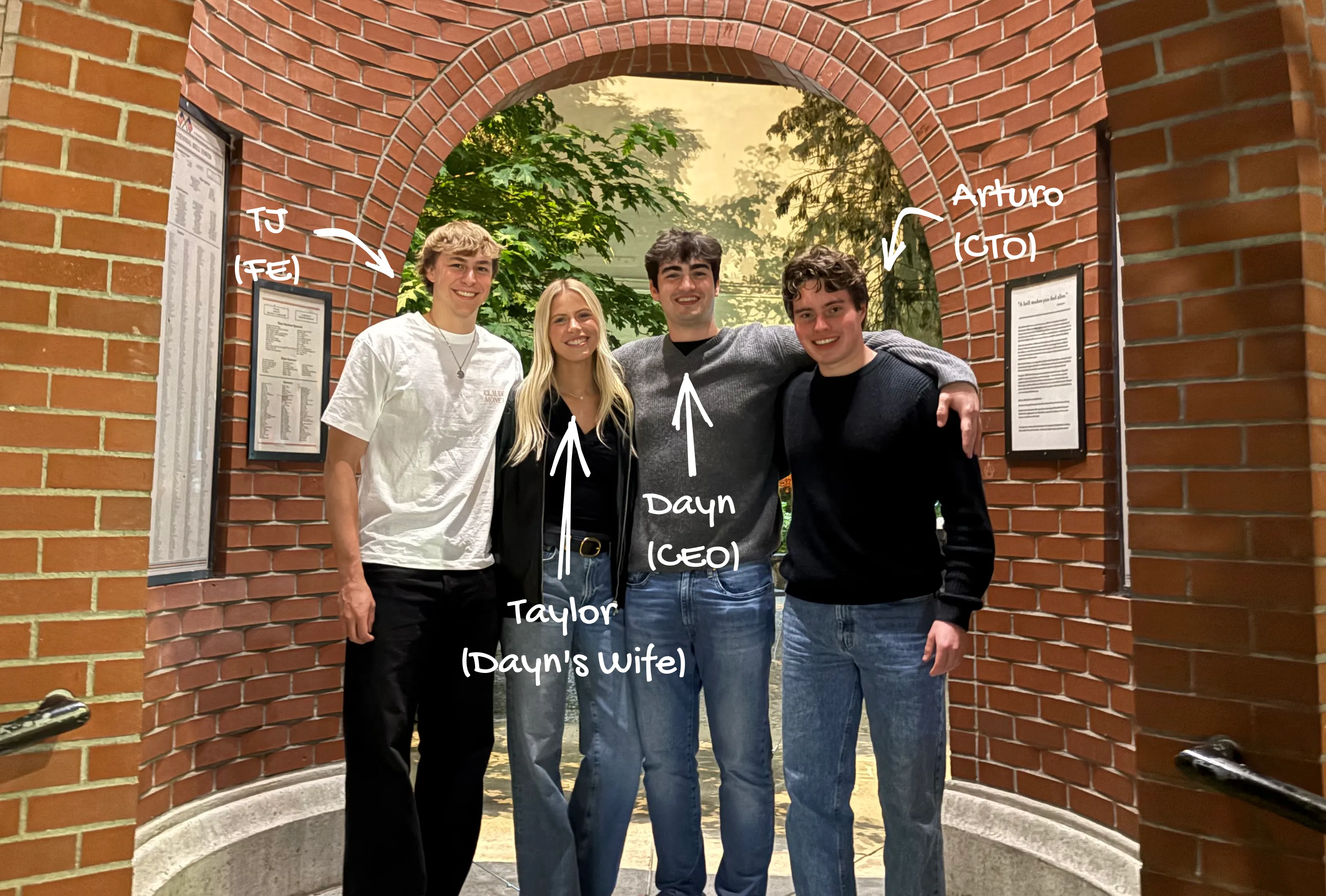
Hourglass started at a courthouse. I studied computer science in college and always knew I wanted to build a company, and growing up I admired attorneys. For a while I thought I'd become one. So the summer of my junior year, I spent a week at the local courthouse, walking up to attorneys between hearings and asking them about their work. On the weekends I flew to legal conferences in Chicago, Missouri, and Seattle, and in between I wrote to my school's alumni who had gone into law.
At that first conference I got a verbal commitment for our first paying customer (redaction software, as it happens). They never signed. Two weeks later, Casey, one of those alumni, became one of our first customers instead. Two years on, we still work side by side with her firm, and they remain one of Hourglass's happiest customers.
What those conversations kept surfacing became the company. Insurance defense attorneys bill under outside counsel guidelines that demand extremely granular time entries, and when an entry falls short, the carrier cuts it. Around five percent of a firm's revenue goes to those deductions. Attorneys end their days reconstructing hours to satisfy rules that keep changing.
So we built Hourglass to sit where the work happens. It records the day as the attorney works and writes time entries that comply with the guidelines, and it keeps learning from every rejection the firm receives, so the entries get better as the rules move. Today, attorneys at some of the fastest-growing insurance defense firms in the country bill their hours through Hourglass every day.
We're a small team of engineers from Apple and Google, building in Seattle. We started with the billable hour because nowhere is time more literally money, but we don't think this ends with law firms. Our vision is to help every company track and use its time as deliberately as it uses its money.
— Dayn, CEO